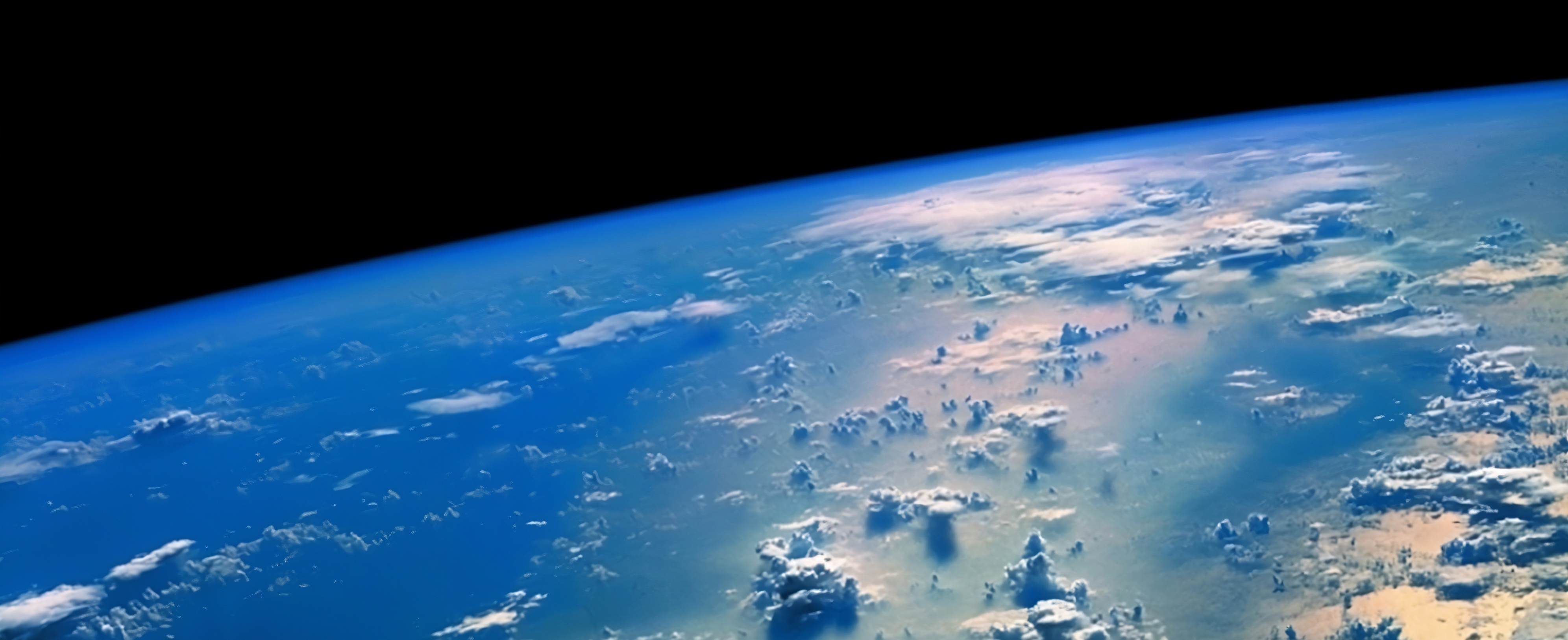
Ecosystems may collapse before the climate can be stabilized — and that leaves nothing left to save.
The global conversation about the future is dominated by climate change. Carbon. Emissions. Net-zero targets.
This conversation is real and necessary. It is also focused on a slower-moving layer of the crisis.
Ecosystem collapse — the failure of the biological systems that make food production, freshwater cycles, pollination, and climate regulation possible — operates on a faster timeline and through different mechanisms.
When an ecosystem collapses, it does not gradually degrade further. It transforms. Rainforests become savannahs. Coral reefs become algae fields. Fertile soils become dust. These transitions are effectively irreversible on any timescale that matters to civilization.
This has a direct consequence for climate. Forests, soils, wetlands, and oceans regulate atmospheric carbon and global temperature. They are the biological infrastructure that stabilizes the climate system. When ecosystems collapse, those stabilizing functions disappear. Carbon stored for millennia is released. Weather systems destabilize. Hydrological cycles break down. At that point, every climate target becomes unreachable.
Fix the climate and lose the ecosystems: humanity inherits a biologically degraded planet at a stable temperature.
If ecosystems collapse before the climate is stabilized, there is no longer a climate worth stabilizing.
This risk — ecosystems collapsing before climate stabilization is achieved — is the central fact that most global discourse still fails to recognize.